
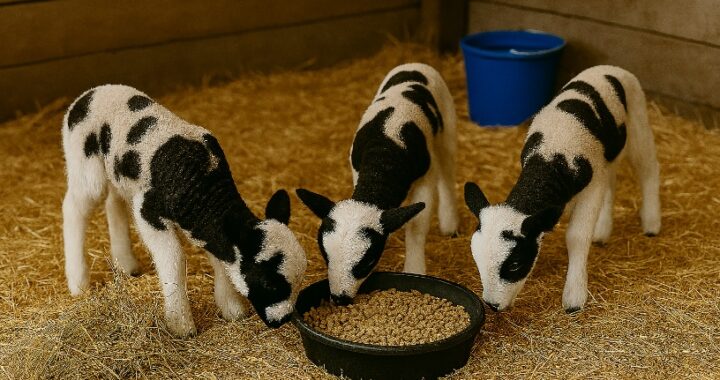
Rearing orphan lambs requires patience and a strict routine. You might find yourself with a “cade” lamb because of triplets, a rejected offspring, or a sick ewe. Success depends on acting fast during the first hours of the lamb’s life.
Provide Essential Colostrum
Colostrum is the first milk a ewe produces. It contains antibodies that build the lamb’s immune system. Lambs have no natural immunity when they arrive.
Why Timing Matters
You must feed colostrum within the first six hours after birth. A lamb’s gut closes to large antibody molecules after 24 hours. Data from 2024 shows that lambs receiving adequate colostrum have a 30% higher survival rate than those who do not.
Using Substitutes
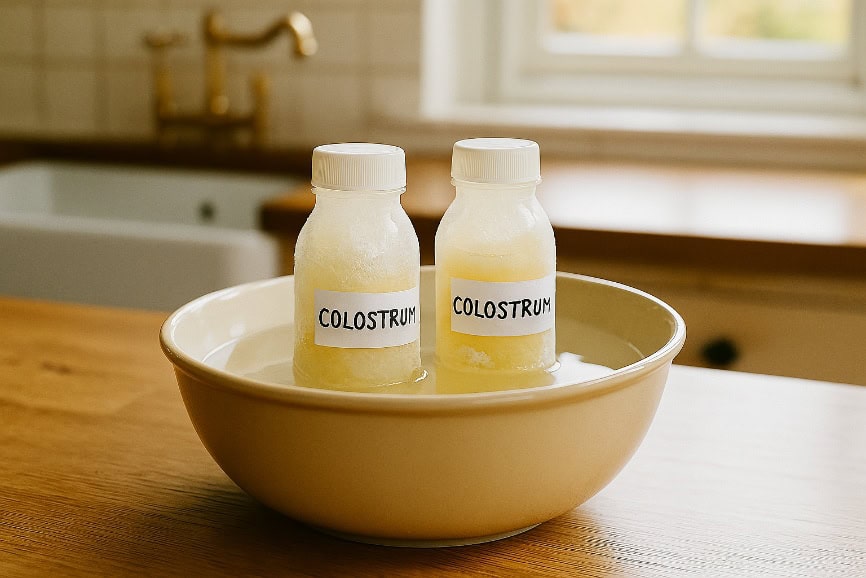
If the ewe cannot provide milk, use a high quality colostrum substitute. You can also use frozen colostrum from another ewe on your farm. Thaw frozen milk slowly in warm water. High heat destroys the vital antibodies.
 Choose the Right Milk Replacer
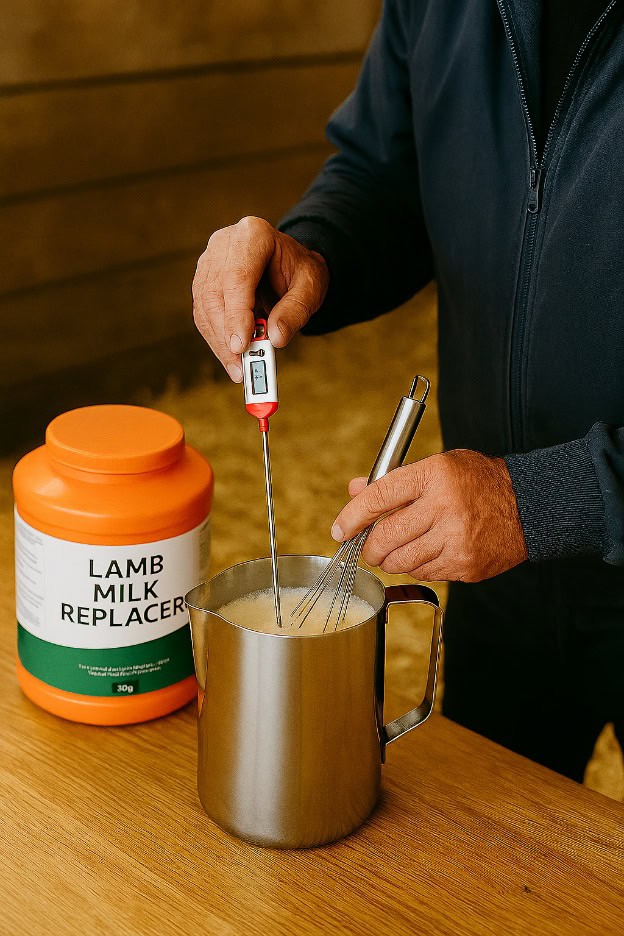
Once the first 24 hours pass, you need a consistent milk source. Most farmers use a commercial lamb milk replacer. These powders provide the specific fat and protein levels a growing lamb needs.
Mixing Instructions
Follow the package instructions exactly. Too much powder causes constipation and bloat. Too little powder leads to malnutrition. Use a thermometer to ensure the milk reaches 39 degrees Celsius for bottle feeding.
Feeding Equipment
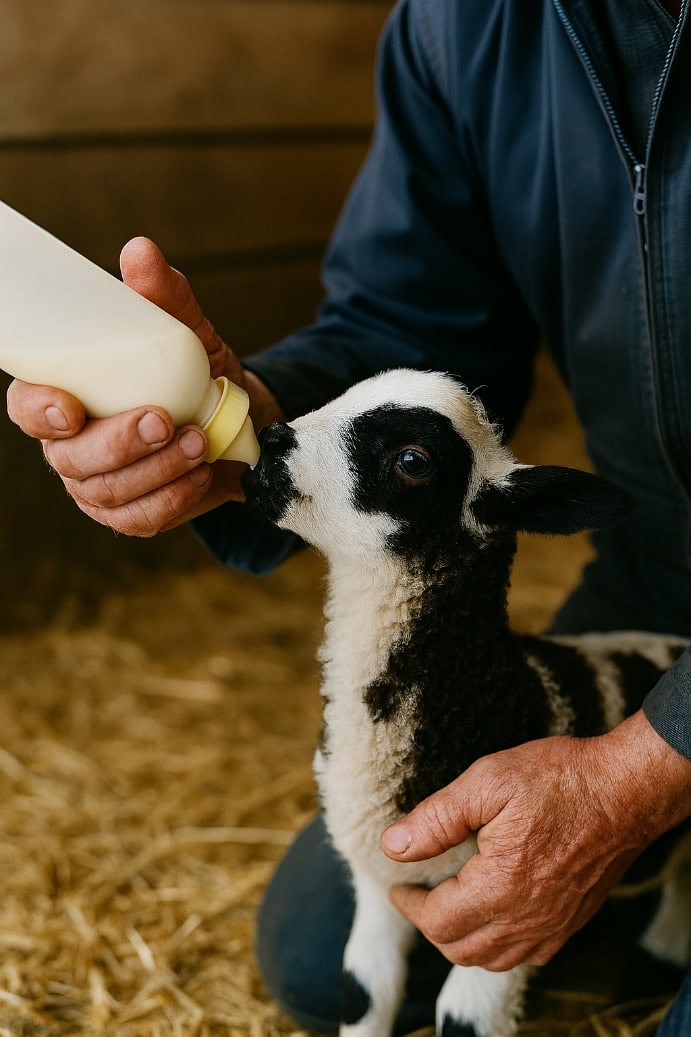
You can use individual bottles or an automatic feeder. Bottles allow you to monitor exactly how much each lamb drinks. Automatic feeders reduce your labour but require careful cleaning to prevent bacteria growth.
Establish a Feeding Schedule
Consistency keeps lambs healthy. Sudden changes in volume or timing cause digestive upset.
Frequency and Volume
Newborns need small, frequent meals. Start with four to five feedings per day. By week two, you can reduce this to three feedings. Increase the volume of milk as the lamb grows, but never overfeed in a single sitting. Overfeeding causes abomasal bloat, which is often fatal.
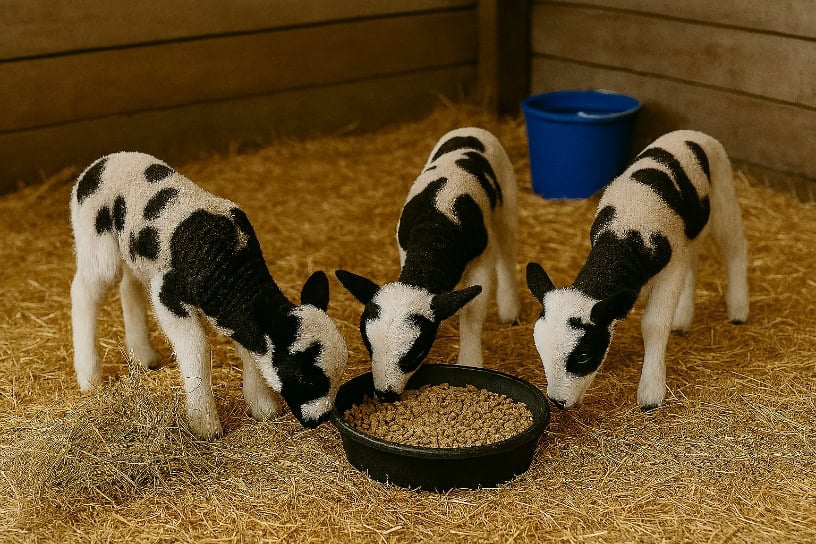 Transitioning to Solids
Introduce high protein creep pellets, some fine hay and fresh water from day seven. Even if they do not eat much at first, early exposure helps their rumen develop. “The rumen starts to function effectively only when the lamb begins consuming fermentable carbohydrates,” says livestock specialist Dr. John Wright.
Maintain a Clean Environment
Disease spreads quickly among young animals. You must keep the rearing area spotless.
Bedding and Ventilation
Use thick layers of clean straw. Damp bedding breeds bacteria and chills the lambs. Ensure good airflow in the shed without creating direct draughts. Cold draughts can lead to pneumonia.
Hygiene Protocols
Wash all bottles and nipples in hot soapy water after every use. Use a disinfectant to sterilise equipment daily. 2025 industry trends indicate that farms with strict hygiene protocols see a 15% reduction in antibiotic use.
Monitor Lamb Health
Watch your lambs closely for signs of illness. A healthy lamb is alert and has a dry tail area.
Common Problems
Scours and bloat are the biggest threats. If a lamb looks hunched or refuses milk, check its temperature. A normal temperature for a lamb stays between 38.8 and 39.5 degrees Celsius.

When to Wean
Most lambs are ready for weaning at 35 days old or when they weigh 15 kilograms. They must also eat at least 250 grams of solid pellets daily. Abrupt weaning is usually better for the lamb’s digestive transition than a gradual reduction in milk.
Frequently Asked Questions
How much milk does an orphan lamb need?
A lamb typically needs 10% to 15% of its body weight in milk daily, split into several feedings.
Can I give cow milk to a lamb?
Cow milk lacks the fat content lambs require. If you must use it, add one teaspoon of vegetable oil per 500ml, but switch to lamb replacer as soon as possible.
Why is my lamb’s stomach bloated?
Bloat often occurs from drinking too much milk too quickly or from bacteria in dirty bottles.
When should lambs start eating grass?
Lambs can nibble grass within their first two weeks, but they rely on milk and pellets for growth until weaning.
How do I keep an orphan lamb warm?
Use a heat lamp or a specialised lamb jacket if the temperature drops below 10 degrees Celsius.