
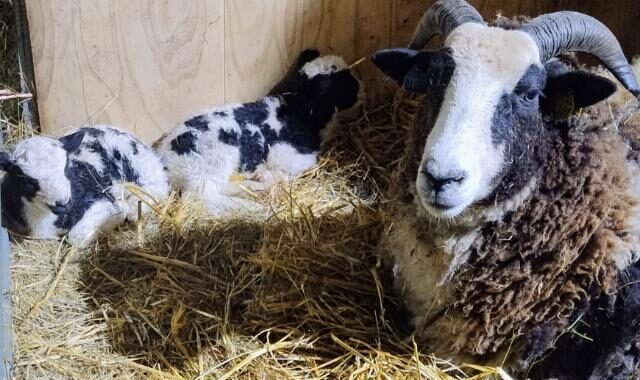
January lambing begins long before the first ewe settles into the straw. It starts in the quiet hours of the night when my mind begins to map the weeks ahead. I run through the checklist: the frost, the frozen pipes, the ground hard enough to bruise. Experience doesn't just teach you what to worry about—it teaches you how to prepare.
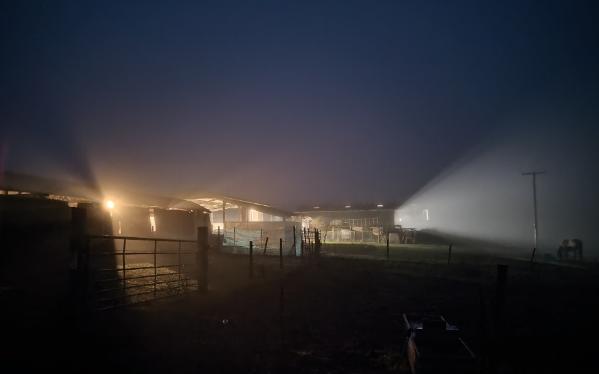 Early lambs are a gamble of the best kind. They grow strong on cold milk and short, sharp days. They carry a sturdiness that might one day command a show ring. That promise is what pulls us into the winter, into the frost and the ink-black nights. It’s a choice that feels both sensible and daring. Once the first gate clicks shut, the rhythm takes over.
The cold arrives with a bite that never leaves, and the work demands a specific kind of toughness. Fingers ache, and breath clouds the air, but there is a profound order to it. I bring the ewes inside, creating a sanctuary against the elements. Space, feed, bedding—every detail is a brick in the wall we build against the winter.
I ask the same questions every day, not out of fear, but out of a relentless commitment to the life in my care.
The work builds a steady momentum. One lamb, then another. The smell of colostrum and the steam from buckets become the atmosphere I breathe. Energy runs low, but purpose runs high. You keep moving because there is a deep, primal satisfaction in the plodding. You aren't just surviving the shift, you are seeing it through.
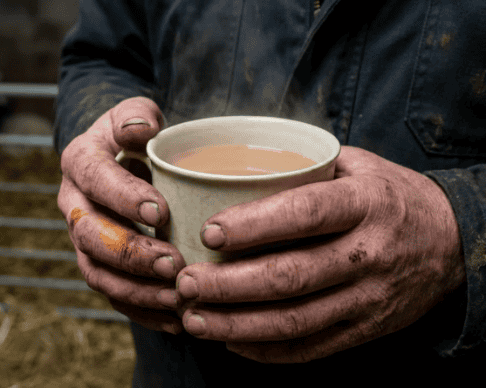
Sleep comes in fragments, but the two-o'clock silence has a magic all its own. I wait in the chill, watching a ewe circle and rise. When the timing is right, I step away for a fleeting moment. A hot mug warms my palms, the steam rising as I mentally sort the morning's tasks. The countryside is still, but the shed is alive. Rest is short, but it’s earned.
The rest of the world slows down. The housework can wait, the outside world feels distant. Within the family, we speak a shorthand of shared effort. One feeds, one checks, one keeps the hearth burning. Kindness isn't just a feeling here, it’s a deliberate act of service when the tank is near empty. We hold the line together.
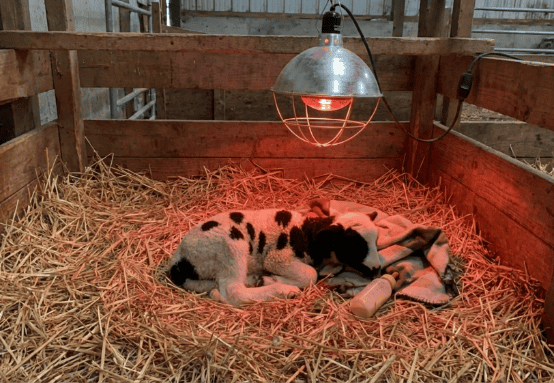 Then, a single lamb demands everything. He’s slow to rise, his pulse a faint flicker. I lift him, guide him, and mix the bottles with steady hands. These small, gritty tasks bend the entire day around his survival. There is no ego in it, just the quiet, fierce intent to see him stand.
Success isn't a trophy; it’s the moment he no longer needs my help to thrive.
There are moments that demand a hard, clear focus. Breech births and unexpected triplets require steady hands and a temporarily locked heart. The emotion waits at the door so the work can get done. That distance isn't coldness—it’s the highest form of care. It’s what keeps the flock moving forward.
My body keeps the tally of the season. Iodine stains on my fingers, knees soaked through from the straw, the persistent chill in my joints. These aren't just marks of exhaustion; they are badges of being exactly where I was needed. I wear the work because the work matters.
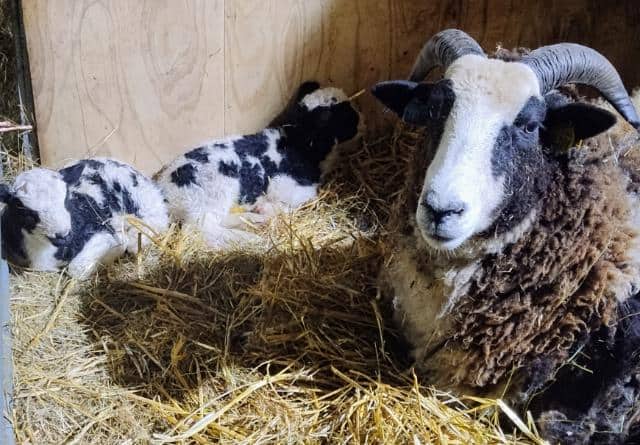 Alongside the grit sits a genuine, electric excitement. New rams bring new potential. I see the future in the set of a lamb’s jaw or the strength of its bone.
Some answers please me, some teach me, but every single one improves the flock. We are building something that lasts.
By the end, the season loosens its grip. The boots stay by the door, but the urgency softens. You look out over the pens and see the transformation. Strong lambs stretch and jump, ewes chew with a rhythmic, peaceful calm. The "worry list" has been traded for a living, breathing reality.
Then comes the moment that makes the ache disappear. I stop and look—really look. The future is standing there on four unsteady, remarkable legs. New shapes, new hope, new life.
Is it worth the frozen pipes and the broken sleep?
Yes. Every single time. Because there is nothing quite like the feeling of standing in the dark with a torch and a bucket, knowing you are the bridge between the winter and the spring.