A beginner’s guide to keeping sheep in a small space
You’ve probably thought it. Maybe at a county show, watching a pair of Jacob sheep blink their golden eyes at you through the fence. Maybe on a walk past a smallholding where a little flock was doing absolutely nothing in particular, and doing it beautifully. The thought goes something like: “I’d love that. But I’m not a farmer. I don’t have the land.”
Here’s the thing: Jacob sheep don’t know what a farm is. They’ve never heard of it. They just want grass, company, and the occasional scratch behind the ear. And if you have half an acre and a bit of patience, that’s genuinely enough to get started.
Start with two wethers, not a breeding flock
This is the bit most beginner guides skip over, and it makes everything harder than it needs to be. The classic mental image of “keeping sheep” involves ewes, a ram, lambing season, and a lot of sleepless nights in February. You can absolutely do that — eventually — but it’s not where you need to start.
Start with two wethers. A wether is a castrated male, and they are, in the nicest possible way, completely uncomplicated animals. No breeding decisions. No lambing. No ram behaviour to manage. Just two calm, curious, characterful sheep learning to trust you and getting on with the important business of grazing.
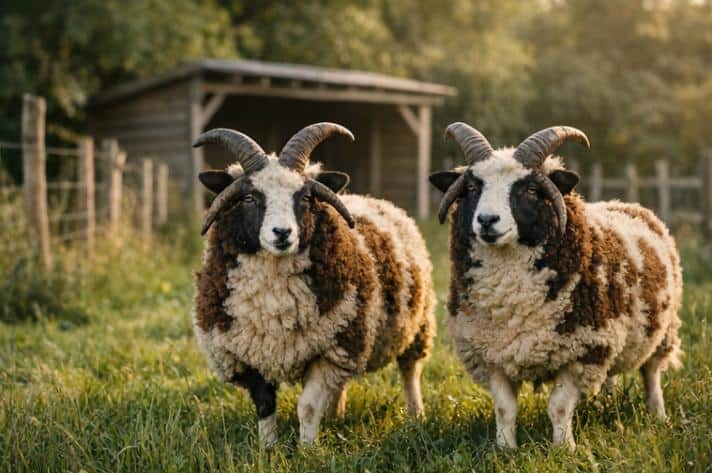
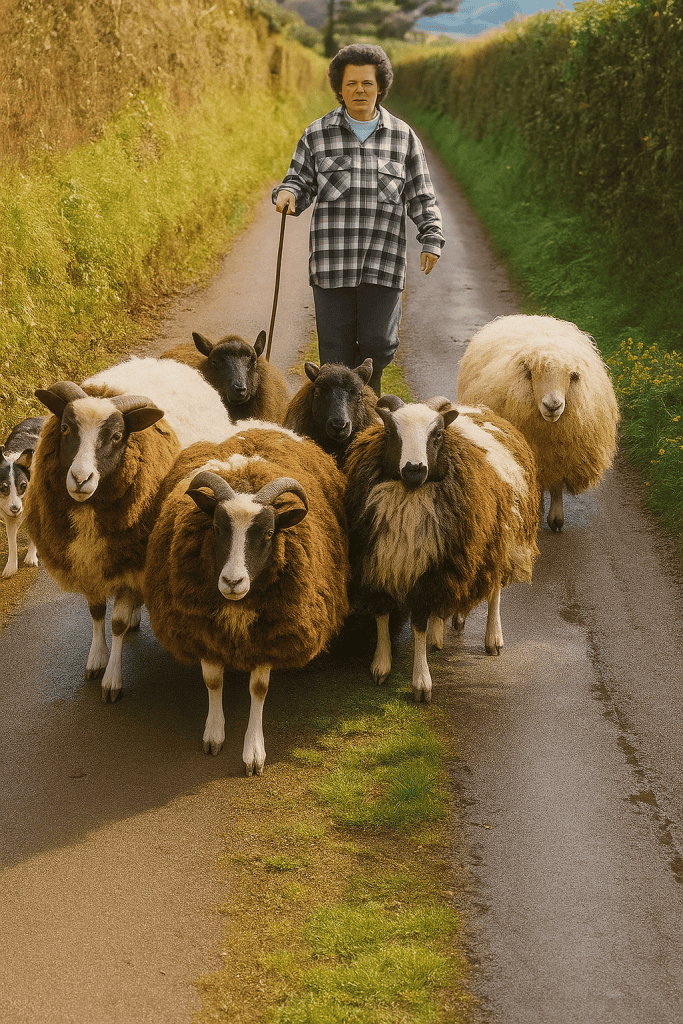
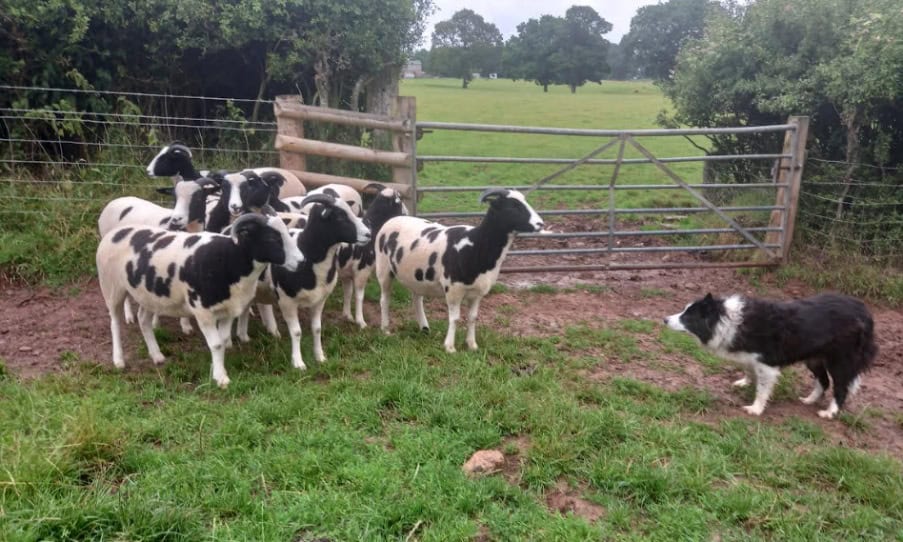
Jacob wethers in particular are brilliant for this. The breed is hardy, small-framed, and well-suited to the kind of mixed, slightly scrubby grazing you’re likely to have on a small plot. They’re also striking to look at — those bold brown-and-white patches, the dramatic multi-horns — which matters more than people admit when you’re trying to convince yourself and others that this is a sensible idea.
What half an acre actually looks like
Half an acre is roughly the size of a large suburban garden — maybe 40 by 55 metres, if that helps. Picture it. Now picture two medium-sized sheep in it. That’s not crowded. That’s fine.
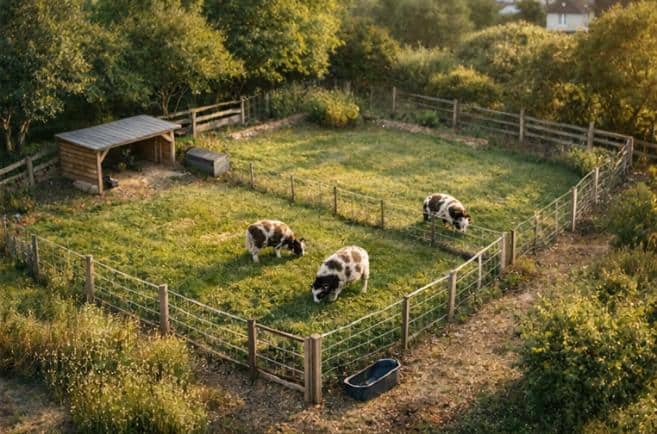
You’ll need stock fencing they can’t push through, a simple field shelter with good airflow (nothing elaborate — three sides and a roof is genuinely sufficient), a trough they can’t tip over, and access to fresh water at all times. In summer, two Jacobs will keep half an acre looking tidy without any help from you. In winter, the grass stops growing and you’ll be supplementing with hay — plan for this from the start and it won’t catch you out.
If you can rotate between two paddocks, even small ones, the land will thank you. But plenty of people manage with a single well-managed area, rested when needed. Don’t let the perfect setup stop you from starting a good one.
The surprisingly short list of what you actually need
New keepers often spend months researching and end up with a list so long it feels impossible. So here, stripped back, is what you genuinely need before your sheep arrive:
Secure fencing and potentially, a simple shelter. A clean water supply. Basic footcare tools (a pair of hoof clippers). A good vet who knows small ruminants (call them before you need them). And one person — a neighbour, a local smallholder, anyone — who’s kept sheep before and is willing to be your first phone call when something looks off.
That last one is worth more than any piece of equipment. The smallholding community is, on the whole, generous and practical. Find your person before your sheep arrive.
What you don’t need: an elaborate handling system, an expensive purpose-built shelter, specialist sheep software, or seventeen different supplements. All of those things exist, and some of them are useful later. Right now, they’re just obstacles.
What it actually feels like
There’s a particular moment that most sheep keepers remember. It usually happens somewhere in the second or third week. You’re doing the evening check — water, fence, general state of things — and you realise you’ve stopped worrying. The sheep are just there, grazing in the late light, unbothered. And you’re just watching them, equally unbothered.
Jacob sheep are not lapdogs. They’ll take their time trusting you, and that process is part of what makes it worthwhile. But once they do — once they hear your voice and amble over, once they have names and distinct personalities and strong opinions about which side you scratch — it’s quietly absorbing in a way that’s hard to explain to someone who hasn’t done it.

It also fits around ordinary life in a way that larger livestock doesn’t. Two wethers on half an acre don’t demand your whole day. They demand consistency — daily checks, regular foot inspections, attentiveness — but not sacrifice. You can have a job, a family, a life, and keep sheep. Plenty of people do.
The permission slip you were looking for
If you’ve read this far, the real question probably isn’t “Do I have enough space?” You’ve already worked out that you might. The real question is whether you’re allowed to do this. Whether it’s a serious enough endeavour to justify the fencing costs, the learning curve, the neighbours’ raised eyebrows.
You are. It is. Almost everyone who keeps sheep started with a small plot, no experience, and a nagging feeling they were probably being a bit ridiculous. Most of them would tell you it’s one of the better decisions they’ve made.
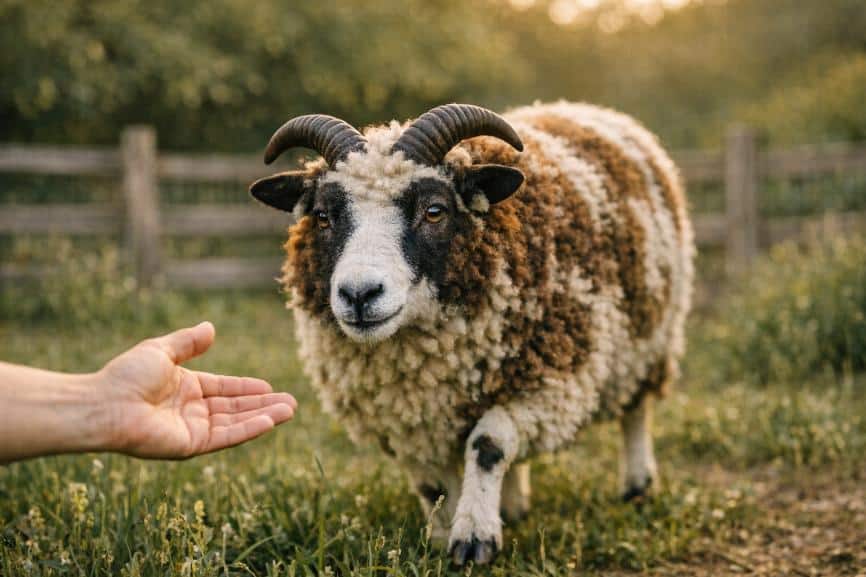
The sheep won’t care that you’re not a farmer. They just want company, grass, and the occasional scratch behind the ear. The rest you’ll figure out as you go.
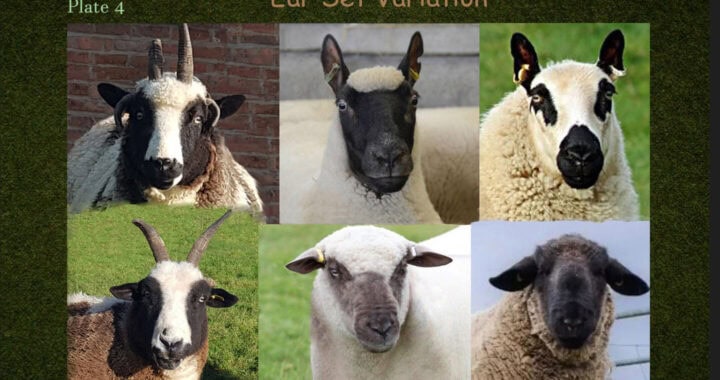
 When we investigate the basis of tameness, ears can be good indicators of emotions. It can be seen that an animal’s ear set shows it’s flight or fight instinct. Wild animals which have dominant pricked ears, signify heightened awareness, and their straight pointed ears give full access to the ear canal allowing them to hear without any restrictions. These types are more sensitive and have evolved for a quick get away from the danger of predators.
 Scientists know that the two sides of the brain collaborate to perform a variety of tasks and that the two hemispheres communicate through the corpus callosum. The left side controls the muscles on the right side of the body, while the right hemisphere controls those on the left. Left brain thinkers are ruled by logic and pay attention to detail, whereas right brained are described as being more emotional. Both sides process information differently and control different patterns of behaviour, known as lateralization.